In summary
- Our client required access to a critical asset without disrupting service
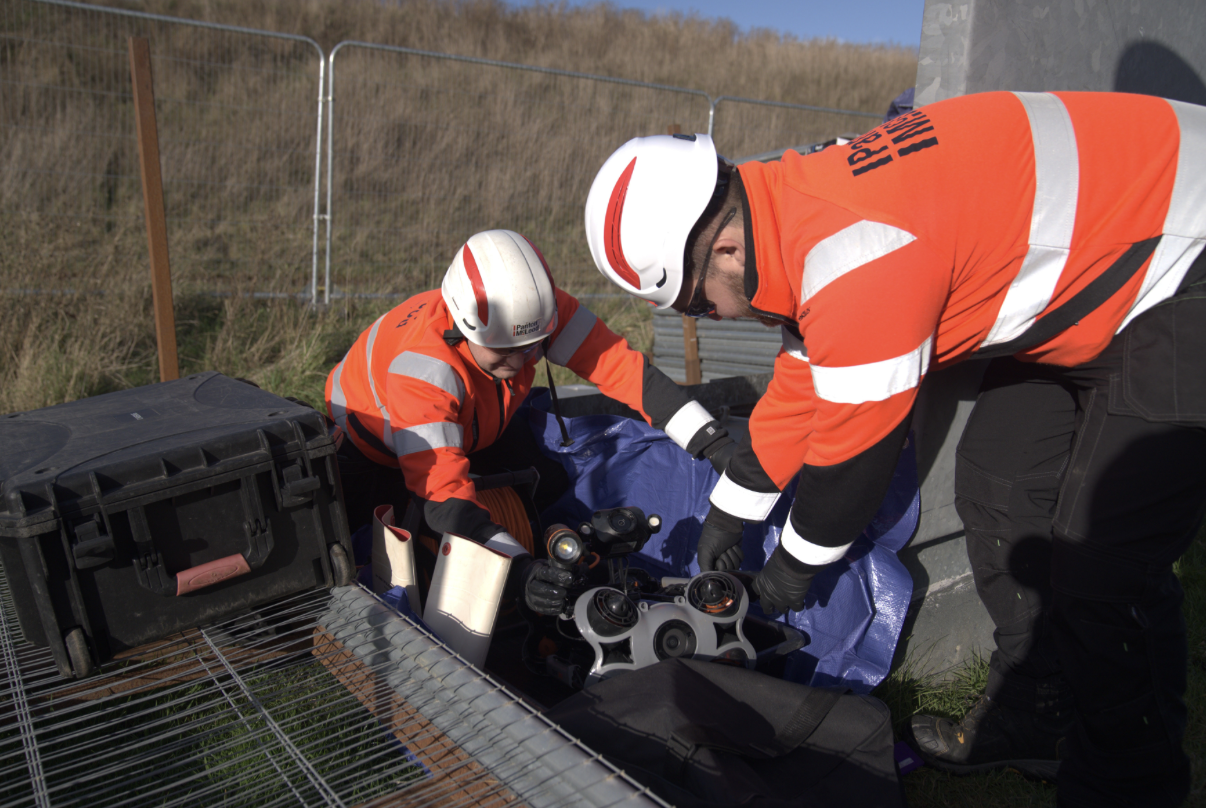
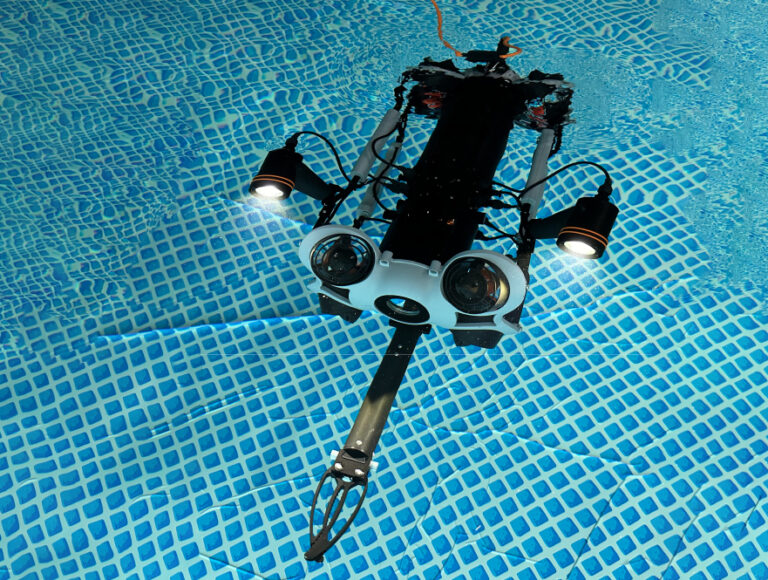
- We installed two hatches and utilised ROV technology to monitor and clean the live tank
- Collaboration and advanced technology enabled safe, efficient delivery

Project in numbers

12 hours tank downtime
6 month detailed planning phase
The need

Our client required critical works on a water treatment
tank but could not physically isolate the asset due to
network complexity and risk. As a result, the tank remained inaccessible for inspection, leaving its condition and any debris build-up unknown.
We needed to find a way to inspect the hidden areas and remove debris build-up with minimal outage while the tank remained full of potable water. Drawing on previous experience delivering live hatch installations for the same client, we applied proven processes and risk controls to develop a safe and practical solution.
The solution

On site, we hand-excavated the roof overburden to expose space for the new upstands and a fully enclosed scaffold area. This controlled environment prevented rainwater and debris ingress – one of the project’s critical risks.
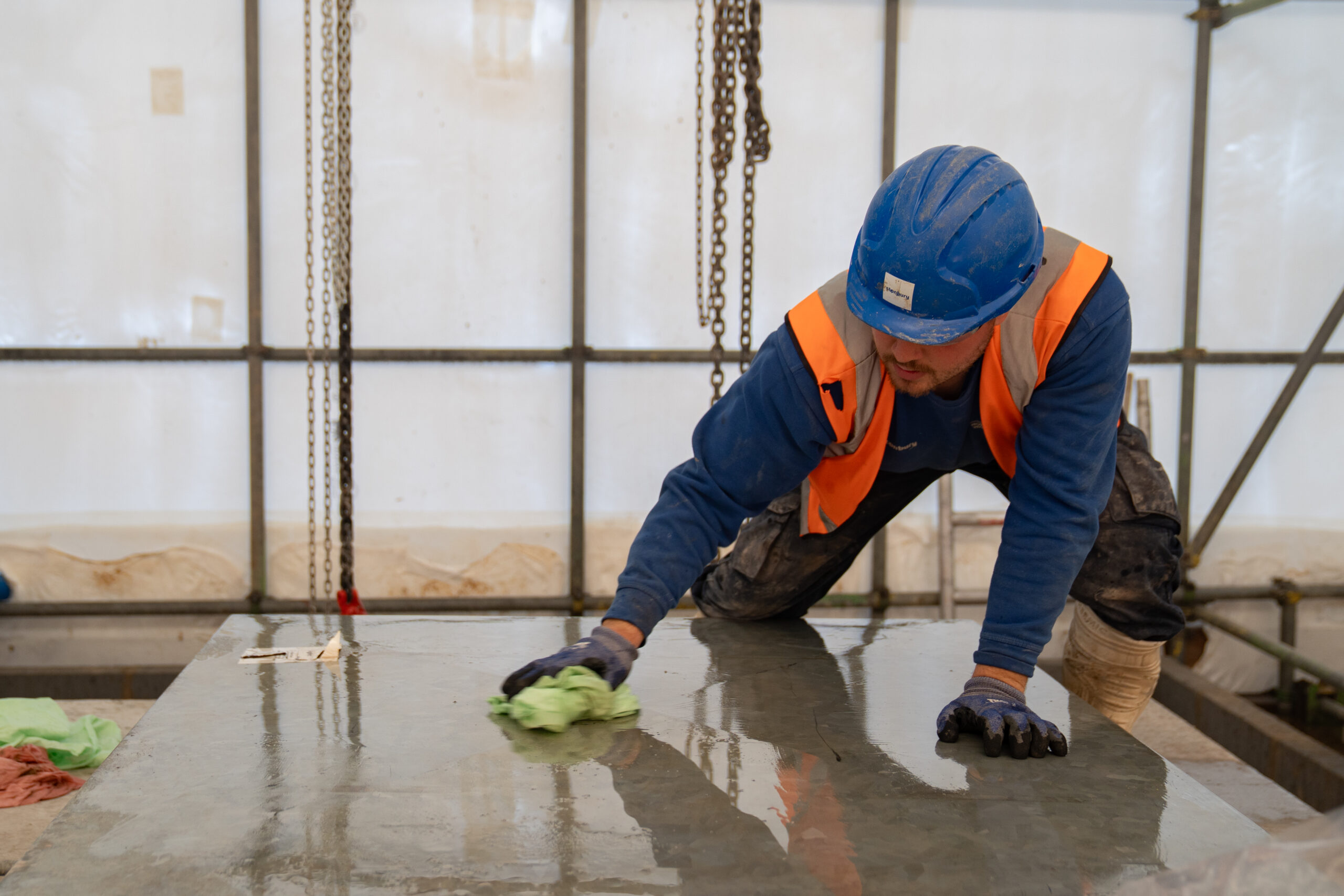
Inside the enclosure, we constructed upstands in precise locations identified during the surveys by steel fixing, installing formwork and pouring concrete. To adhere to the programme, a high cement-content mix was used to accelerate curing, with cube samples tested daily until the required strength was achieved. We then removed the formwork and cleaned and disinfected the enclosure.
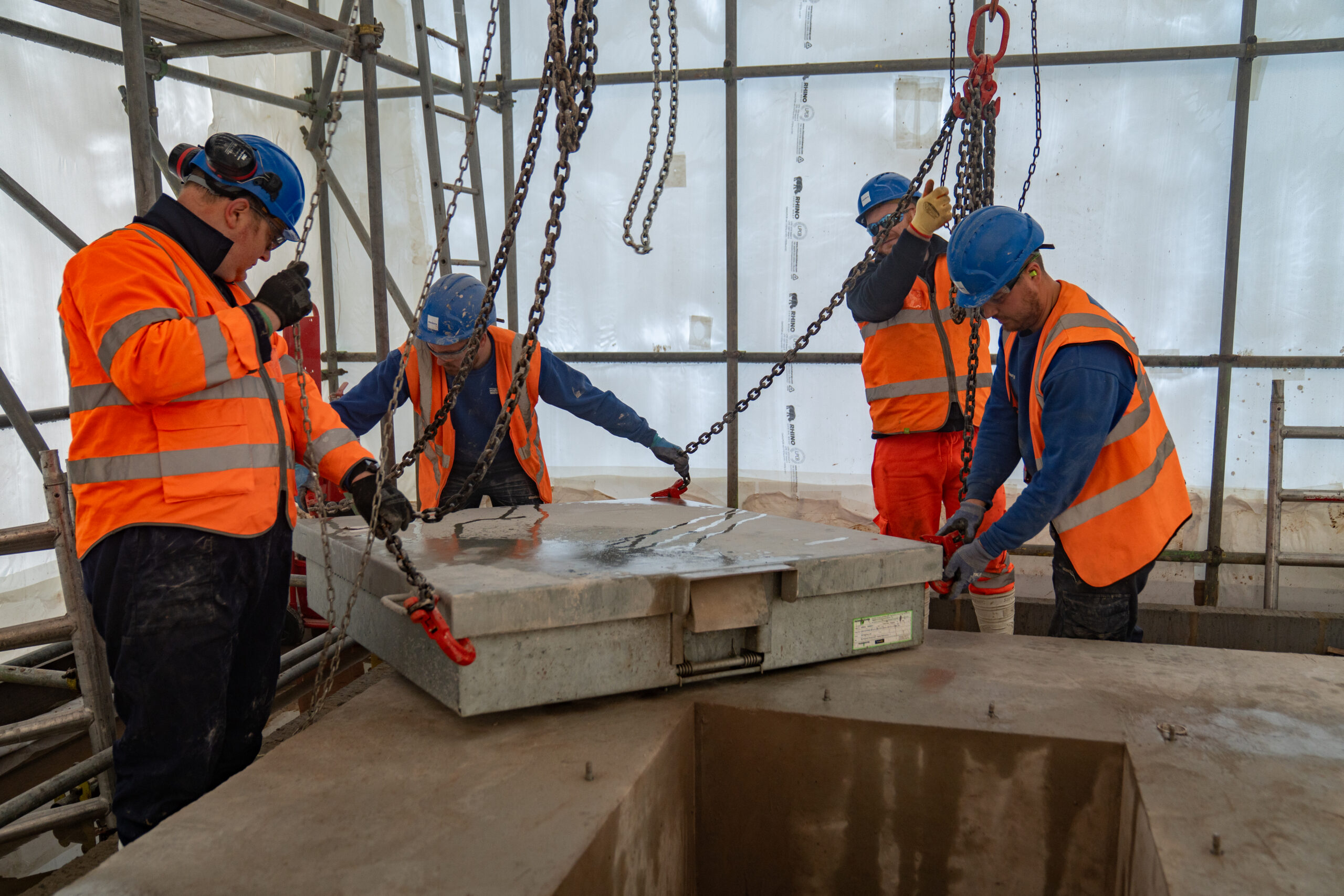
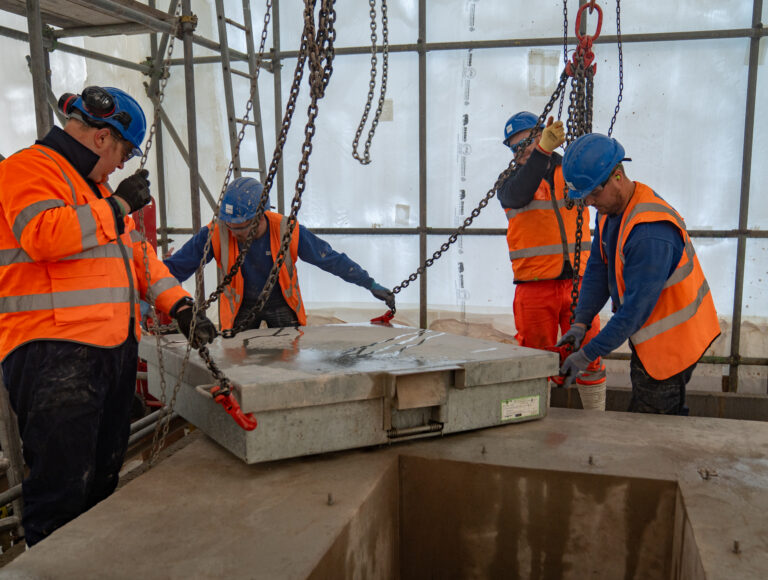
After the concrete strength was confirmed we marked out the new openings and fitted lifting eyes to the slabs, allowing each section to be supported while cutting the new openings. These lifting eyes were pull tested prior to lifting While these were continuously tensioned, we pre-cut the holes to within 10-15 millimetres of the soffit. The area was then re-cleaned and
sterilised. Up to this stage, all works remained non-intrusive, posing no risk to the potable water.
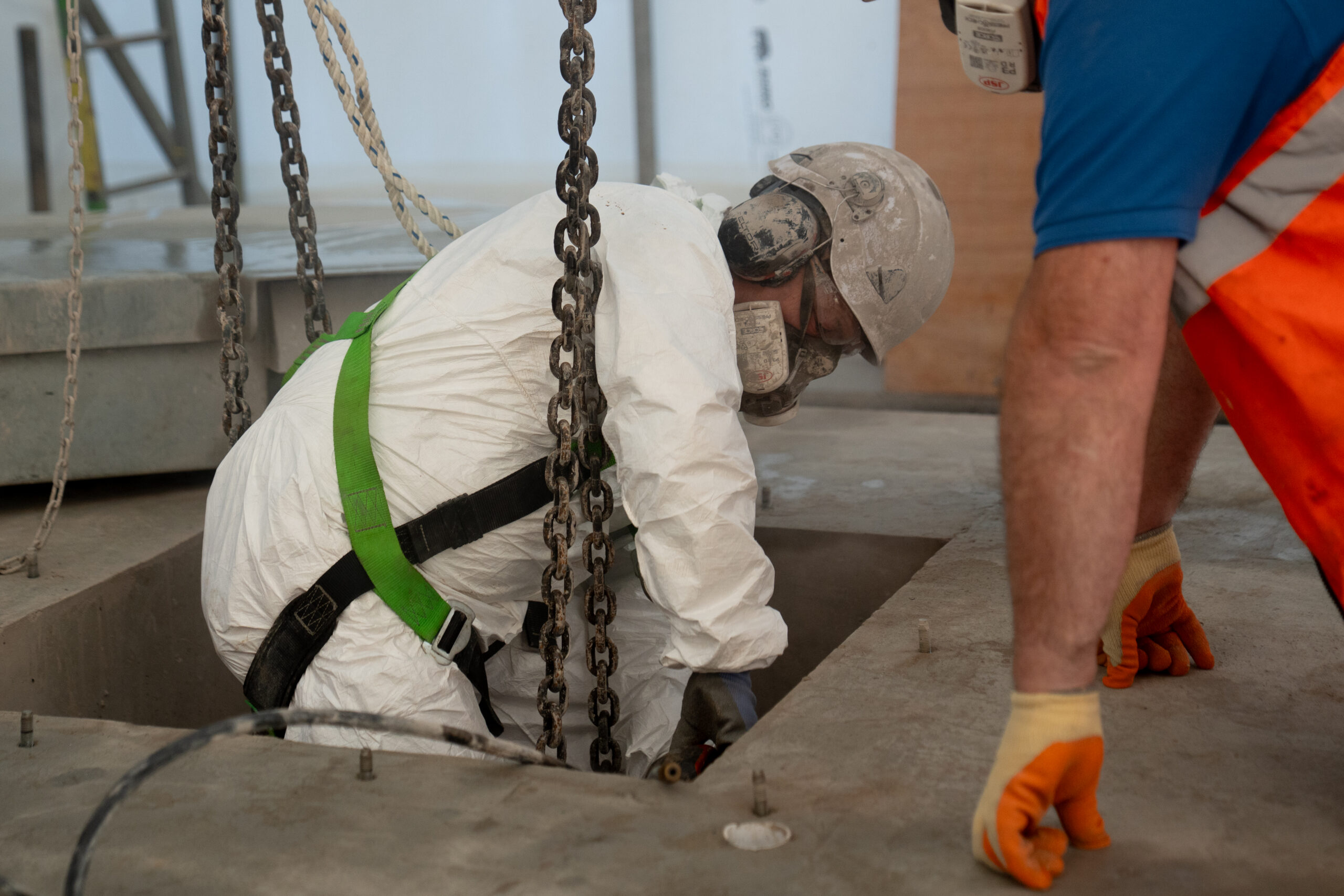
For the intrusive cutting phase, an ROV was deployed in the tank beneath the work area to provide real-time monitoring. Once the tank was isolated, we completed the final cuts under strict water hygiene controls. The slab sections were lifted out using a block and tackle, and the access covers were
immediately installed to prevent contamination.
Using the ROV mounted with a sample pipe, we collected samples to confirm the water remained safe for consumption, allowing the tank to return to service immediately.
Following the new access installation, our client undertook a full internal ROV survey to assess asset condition and debris levels. In collaboration with Panton McLeod, we delivered a live,
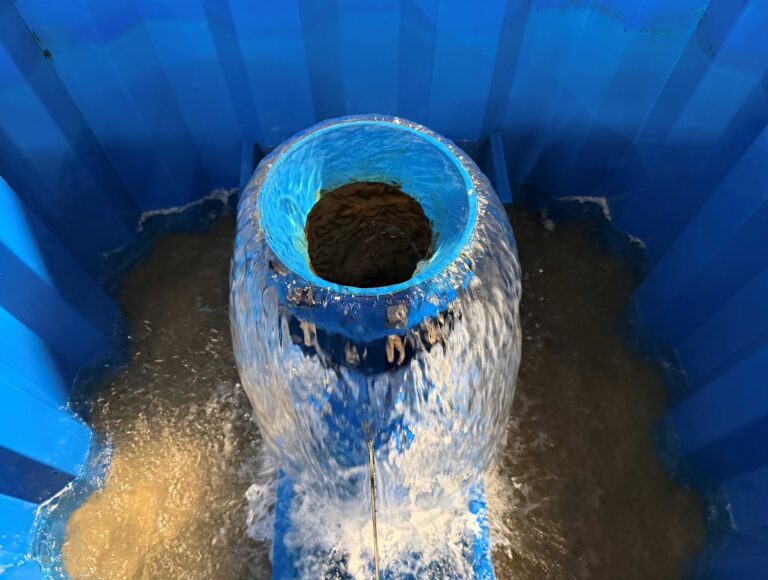
in-service tank clean using an underwater robot to remove the debris without interrupting supply.
The benefits

- The new hatches have future-proofed this vital asset, enabling tank cleaning and continued safe access for maintenance
- Our robust planning and execution protected water quality, eliminated asset downtime and maintained uninterrupted water supply
- Methods used accelerated programme delivery, saving time and costs for our client
- Advanced technology offered real-time assurance
of water quality, enabling the asset to be returned to service immediately - Early contractor involvement with our client and collaboration with our specialist partner, Panton McLeod, strengthened delivery through shared expertise
Project gallery