Across the UK, the pressures on the water environment are becoming increasingly complex. Climate change is intensifying flood risks, storm overflows remain under scrutiny, and ageing infrastructure continues to challenge water companies and regulators alike.
At the same time, expectations around environmental performance are rising. Improving biodiversity, restoring natural habitats and building resilience into water infrastructure are no longer optional ambitions; they are central to the sector’s future.
Meeting these demands requires delivery partners who understand both the engineering and environmental realities of modern water management.
While Stonbury is widely recognised for its work in potable water infrastructure, the business has developed a far broader environmental capability. Today, its work spans rivers, wetlands, wastewater environments and natural systems, supporting water companies, the Environment Agency and local authorities in delivering sustainable environmental improvements.
Delivering across the water environment
Stonbury’s environmental portfolio reflects the increasingly interconnected nature of water infrastructure and natural systems.
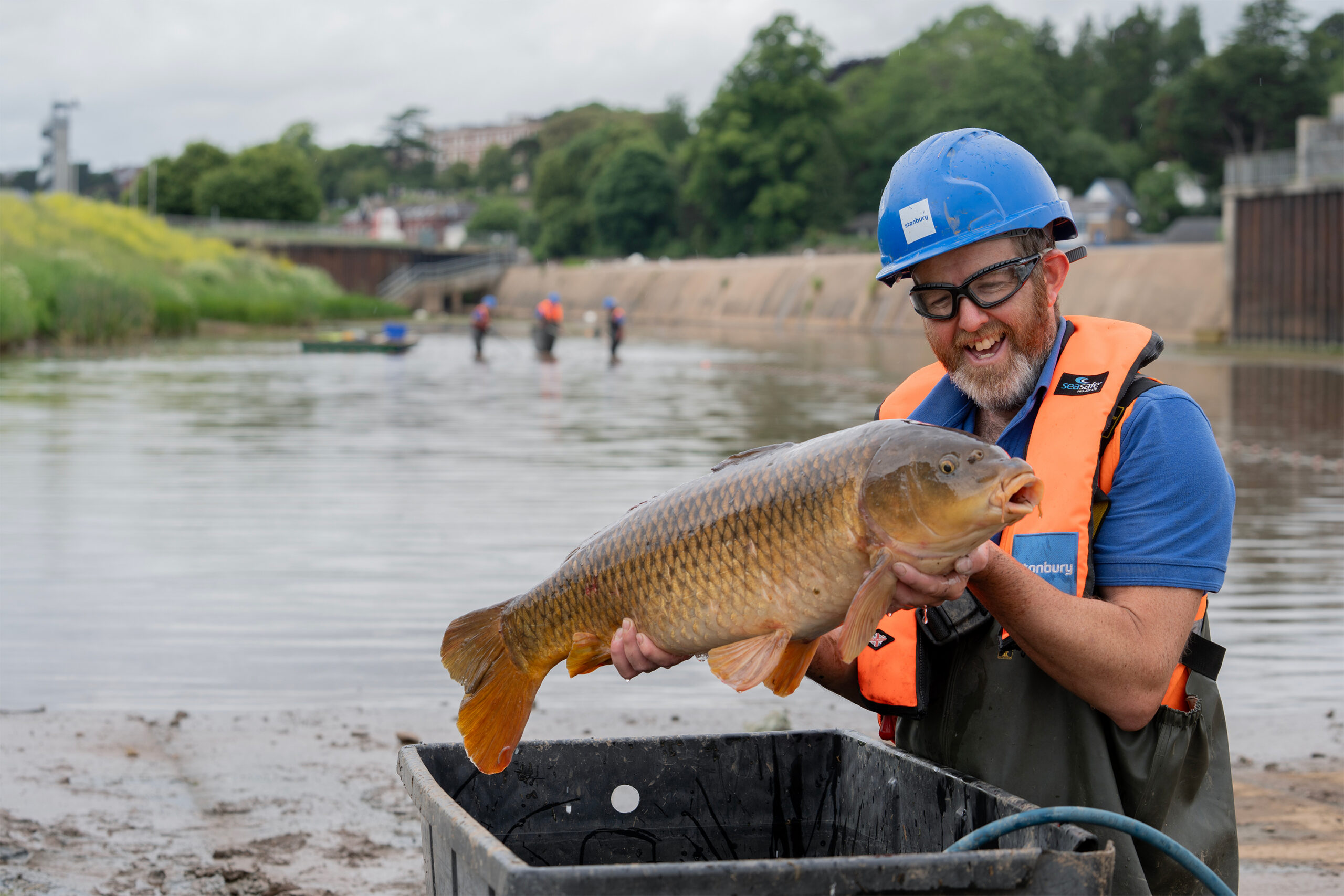
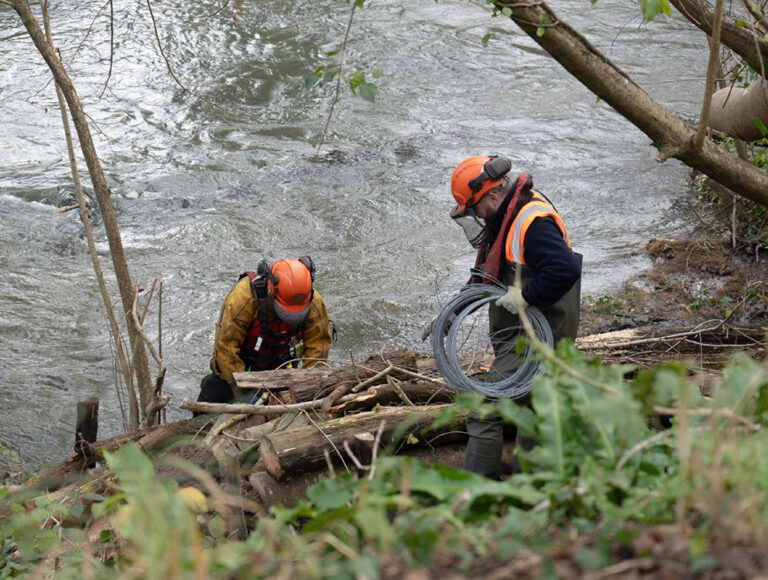
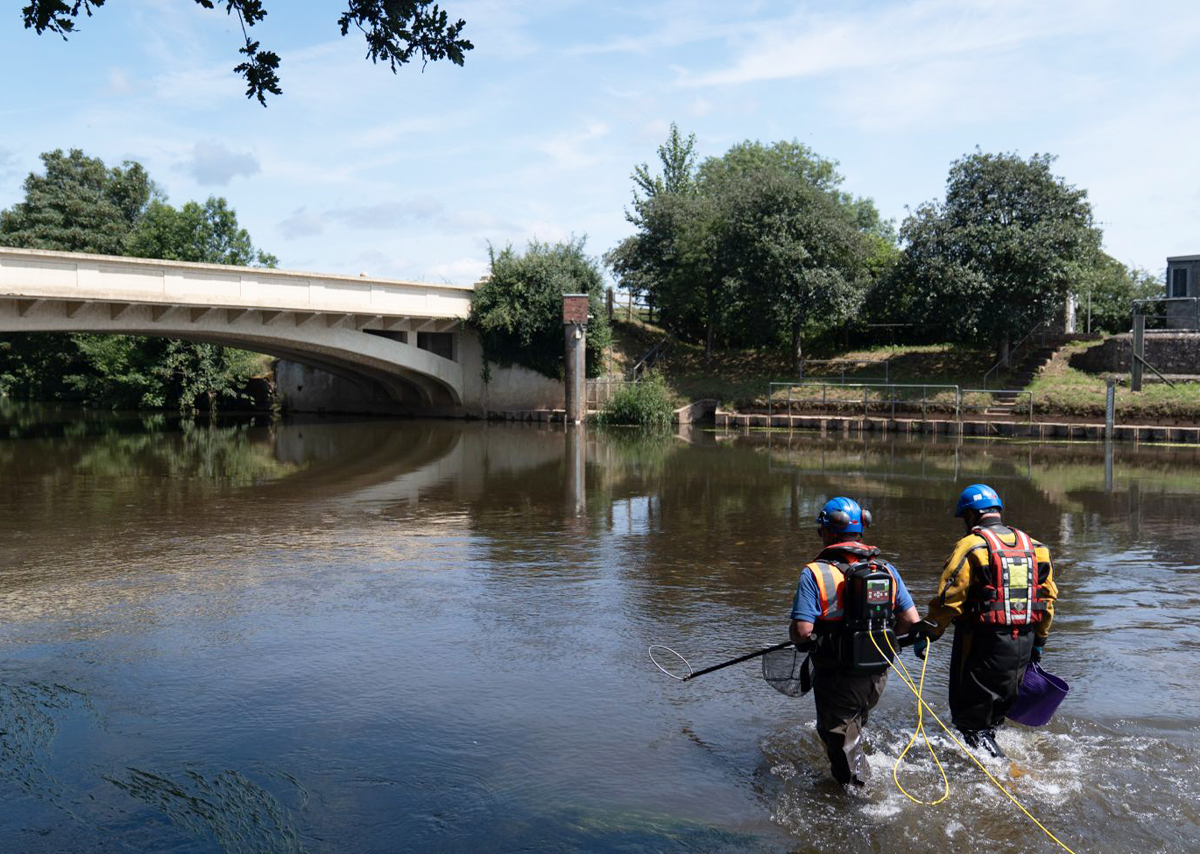
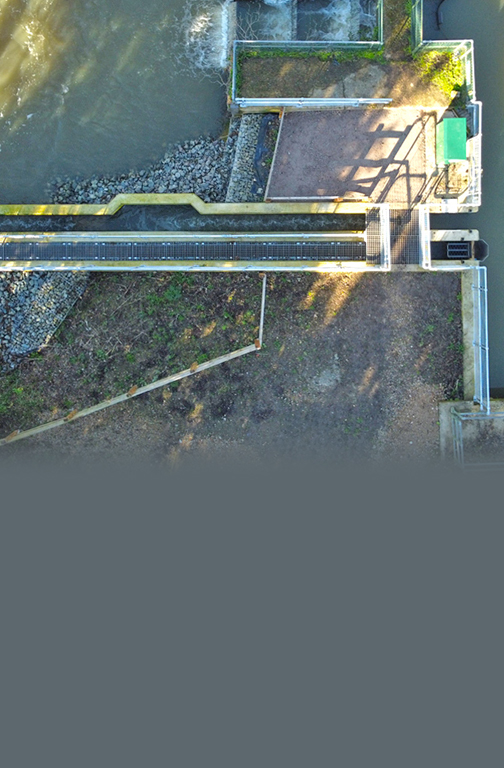
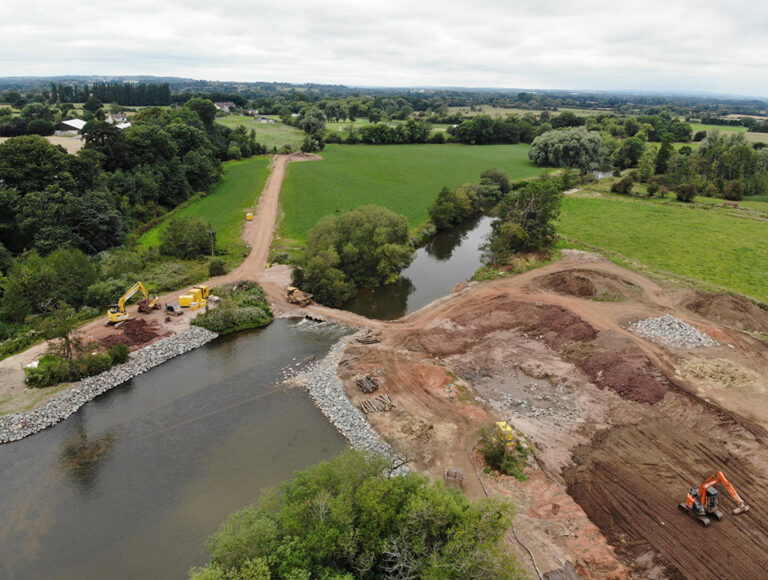
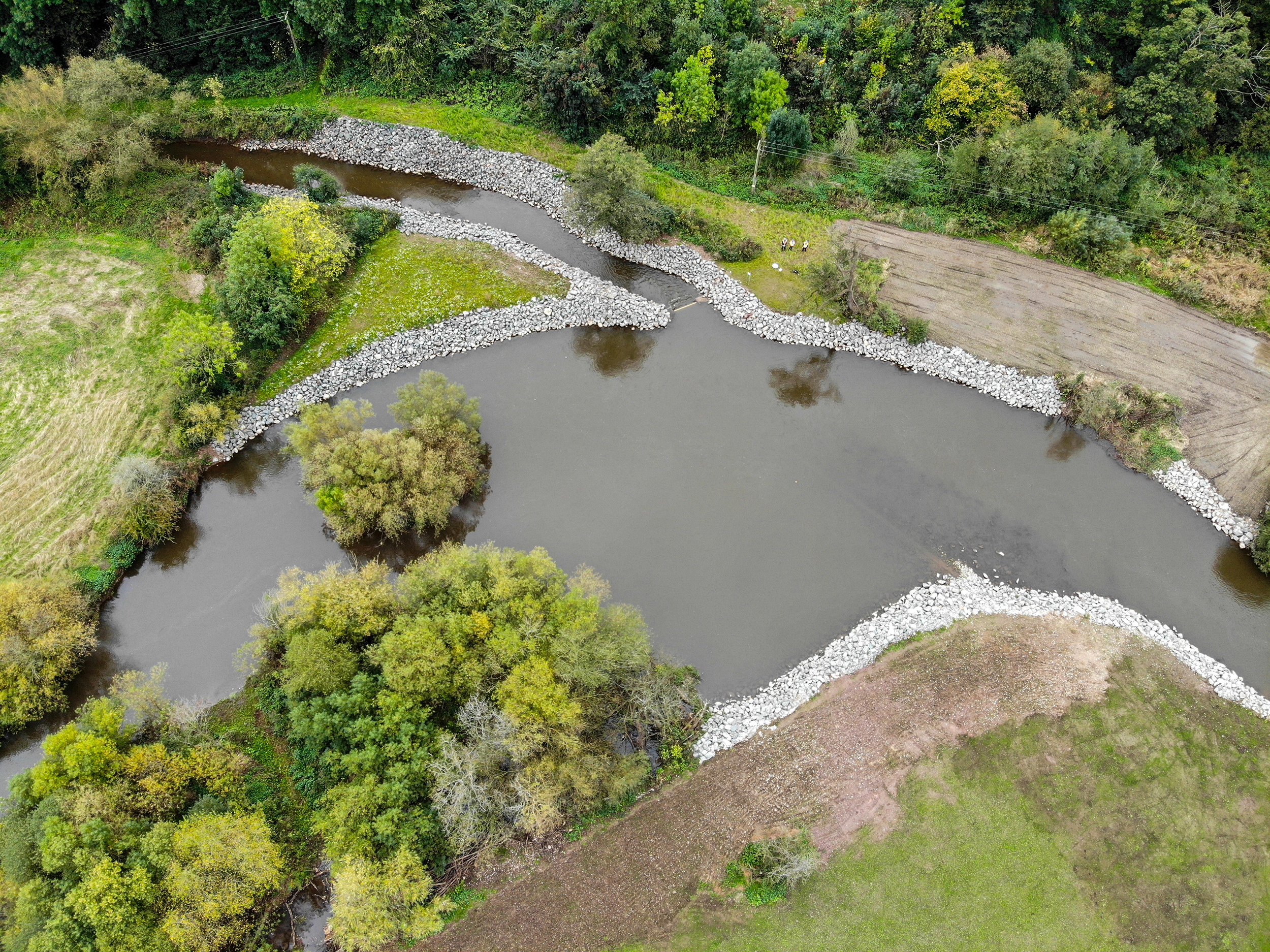
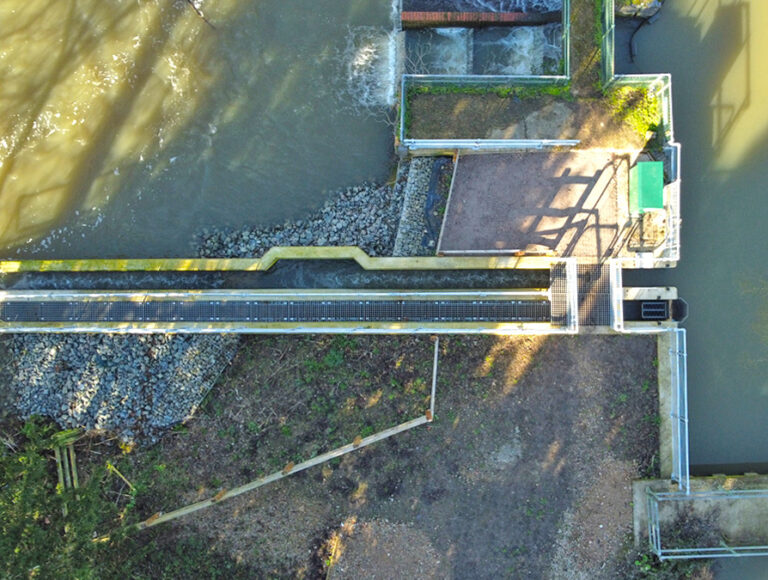
Its teams deliver a range of river and habitat enhancement works, including river restoration schemes, natural channel design and the installation of fish and eel passes to improve aquatic connectivity. Elsewhere, projects such as debris and trash screen installation help protect critical assets while safeguarding surrounding environments.
Nature-based solutions are playing an increasingly important role in these programmes. Wetland creation, reedbed installation and natural flood management schemes allow organisations to address water quality, flood risk and biodiversity challenges simultaneously.
Alongside these interventions, Stonbury also delivers structural and civil works such as weir refurbishment, outfall improvements and flood mitigation infrastructure. These projects combine engineering expertise with environmental awareness, ensuring that assets are maintained and enhanced while ecosystems are protected.
Habitat creation, invasive species removal and sustainable drainage components further demonstrate how environmental improvements can be integrated directly into asset programmes.
Understanding the sector’s challenges
The need for these capabilities is being driven by a changing landscape for both regulators and water companies.
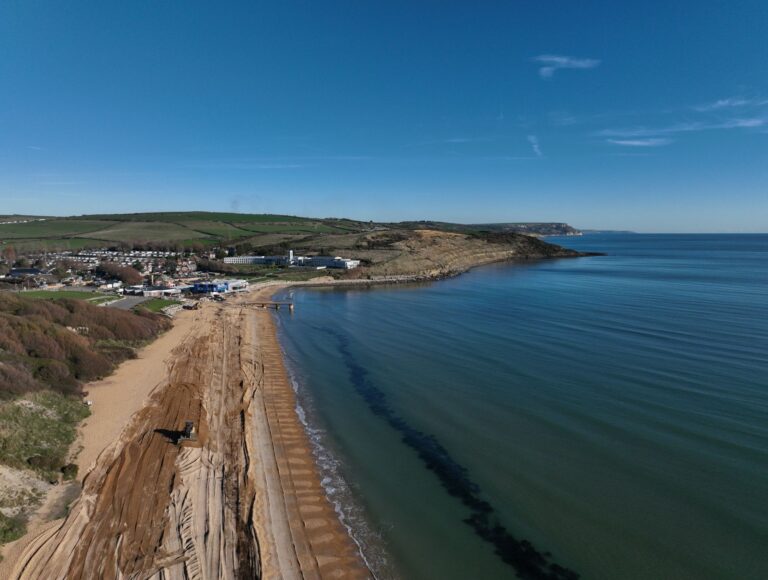
For organisations such as the Environment Agency, rising climate risks and increasing flood events place pressure on existing flood management infrastructure. Coastal erosion, unstable riverbanks and ageing structures require continual attention, often within constrained funding environments that demand carefully prioritised interventions.
Water companies face similarly complex challenges. Greater regulatory scrutiny around pollution and storm overflows, combined with growing environmental obligations, means infrastructure must perform more effectively while reducing environmental impact.
At the same time, networks across the UK are under pressure from ageing assets and climate-driven resource demands. Delivering upgrades that are resilient, efficient and sustainable has become essential.
In response, the sector is increasingly combining engineering expertise with environmental restoration and long-term asset management.
Supporting practical, sustainable solutions
Addressing these challenges requires integrated delivery across the full lifecycle of environmental infrastructure.
Stonbury supports this shift through end-to-end project delivery, from survey and consultation through to design, construction and long-term asset management. Its programmes focus not only on new interventions but also on refurbishing existing infrastructure to extend asset lifespans and reduce carbon impacts.
This approach enables organisations to achieve regulatory compliance and environmental improvements while maintaining operational efficiency.
By combining practical engineering with nature-based solutions, projects can deliver multiple outcomes simultaneously: improving water quality, reducing flood risk, strengthening wastewater resilience and enhancing biodiversity.
Collaboration is equally important to successful delivery. Working closely with water companies, regulators and environmental stakeholders allows programmes to align with wider catchment objectives and ensure that solutions deliver lasting value.
Supporting the future of the water environment
The future of the UK’s water sector will depend on its ability to deliver infrastructure that performs reliably while working in harmony with natural systems.
Programmes that integrate river restoration, sustainable drainage, biodiversity net gain and wastewater resilience will play a critical role in achieving this balance.
As climate pressures grow and environmental expectations continue to rise, this integrated and holistic approach will be essential in ensuring the UK’s water systems remain resilient, sustainable and capable of supporting communities and ecosystems for generations to come.
Low-carbon construction, circular resource use and the refurbishment of existing assets are delivered collaboratively across all programmes. These principles reduce waste, limit emissions and extend asset life to ensure infrastructure remains robust, adaptable and ready for the future.
As the sector grows, this approach offers a holistic model for sustainable development within environmental limits through building capacity while protecting the resources that make it possible.
Building a resilient, sustainable future
The water sector’s ability to adapt will define its long-term success. Every project that restores a river, reinforces a flood defence or reuses existing infrastructure contributes to a more resilient, sustainable future for our communities and the environment.
Through its continued focus on innovation, collaboration, circular engineering principles and responsible delivery, Stonbury is helping to shape that future.