Water quality is under increasing scrutiny across the UK, as climate change, population growth and ageing infrastructure increase pressure on drinking water systems.

Regulation 31 is a law governing the approval and use of products and materials that come into contact with drinking water. Its purpose is to prevent substances from materials entering supply and to ensure drinking water remains safe over the life of an asset. Where it’s not met, the consequences can include gradual chemical leaching, asset degradation and the need for disruptive remediation works.
While the regulation itself is well established, its application is becoming more complex. Refurbishment of ageing assets, evolving materials and increased understanding of contaminants such as PFAS and microplastics mean compliance can no longer be treated as a specification exercise alone. How materials are selected, installed and controlled throughout delivery determines whether Regulation 31 achieves its intended outcome.
Drawing on more than 40 years’ experience delivering potable water programmes across the UK, Stonbury works with water companies to apply Regulation 31, with a focus on preventing long-term risk rather than responding to failure once assets are live.
Challenges in implementation
Applying Regulation 31 in live operational environments presents practical challenges. Supply chains are increasingly complex, with materials sourced from multiple manufacturers and suppliers. Each product must be approved, traceable, and used strictly in line with its intended application, often across programmes involving multiple interfaces and disciplines.
At the same time, delivery must remain efficient. Works still need to be completed safely, on time and within budget. Where Regulation 31 is treated as a final check rather than a delivery discipline, non-compliance may only become visible once assets are operational. Remediation at that stage can be costly and cause major disruption.
Applying Regulation 31 throughout delivery
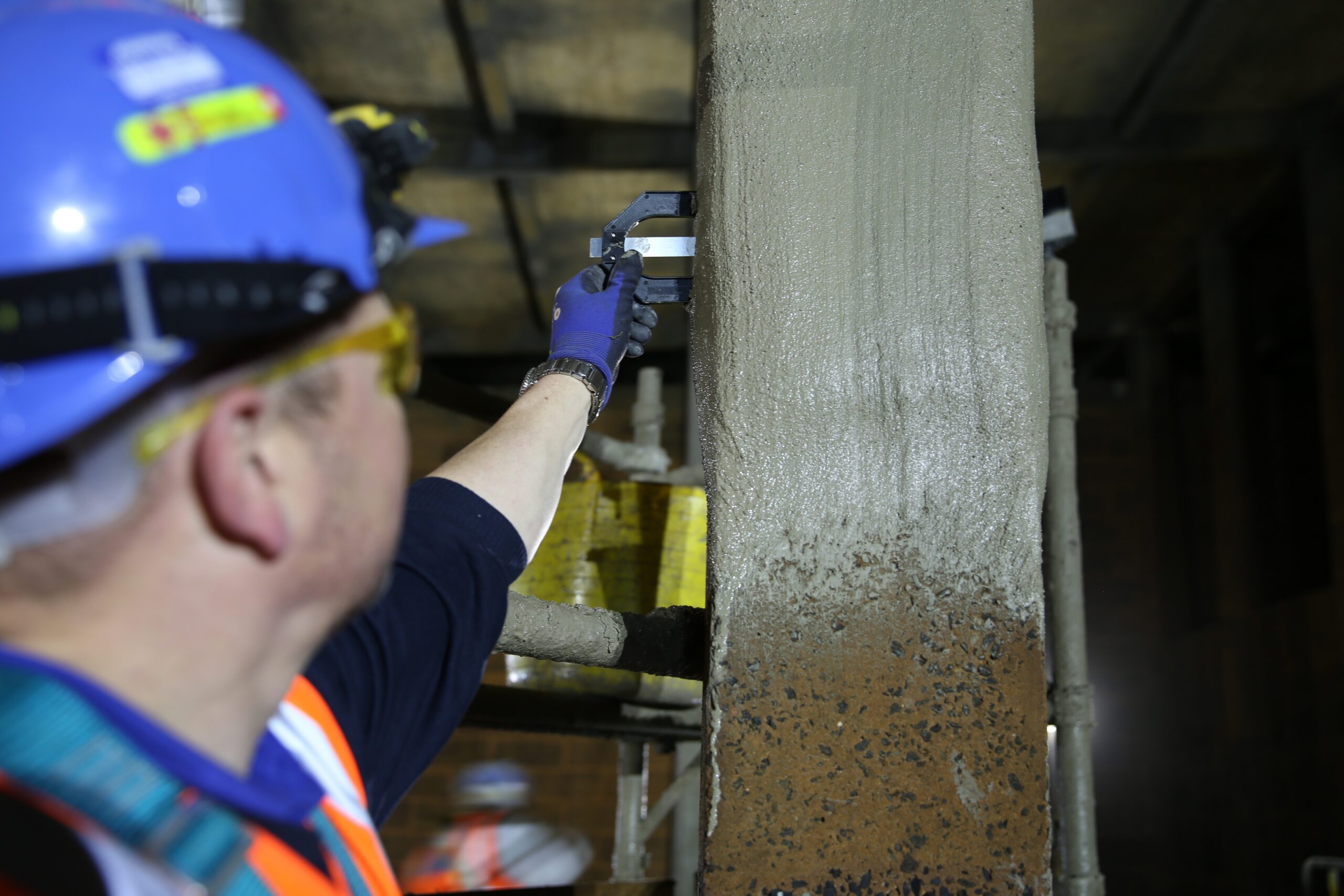
Stonbury’s experience across multiple live frameworks shows that Regulation 31 is most effective when compliance is embedded early and maintained throughout delivery. This means treating material approval, installation and assurance as a continuous process rather than a series of isolated checks.
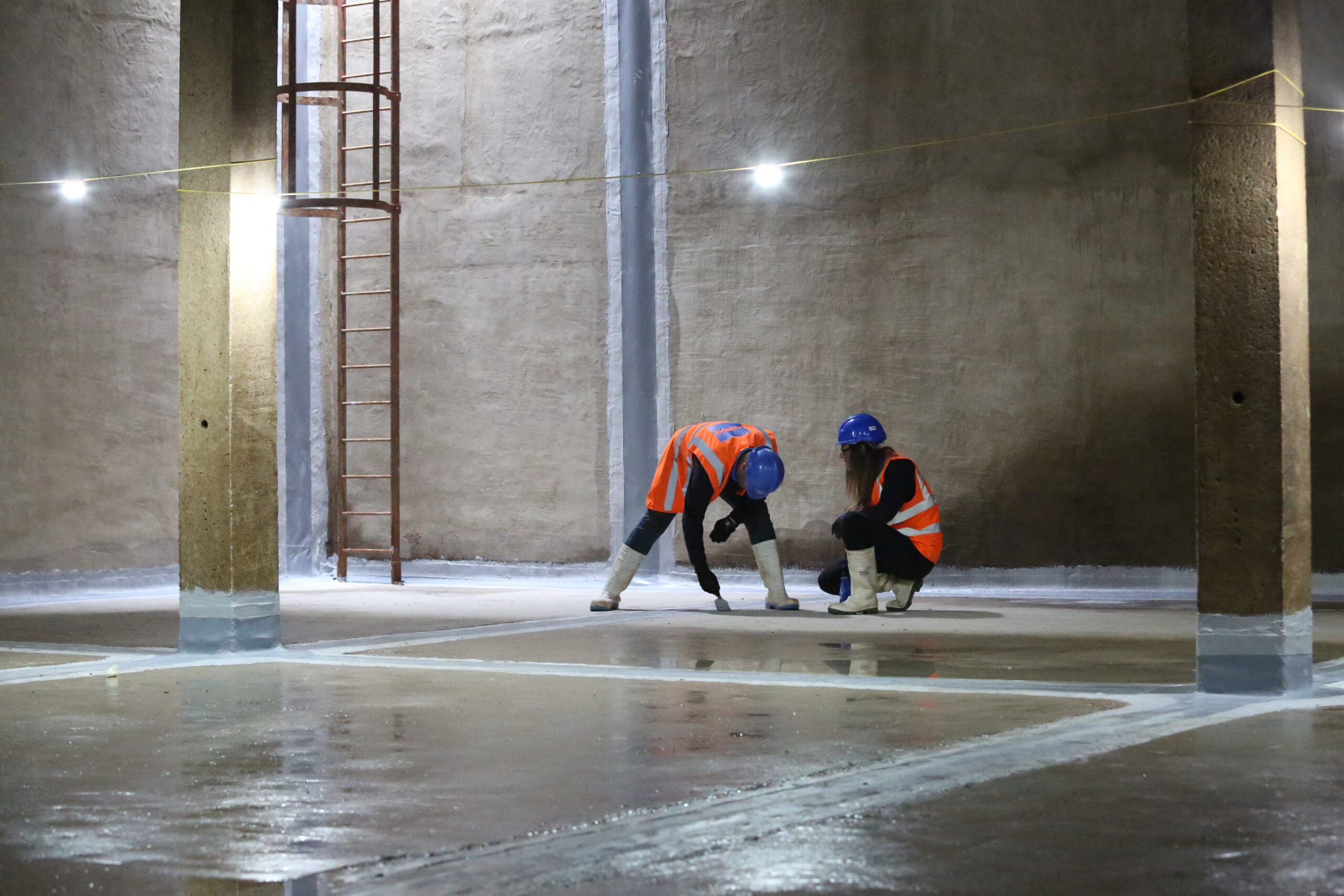
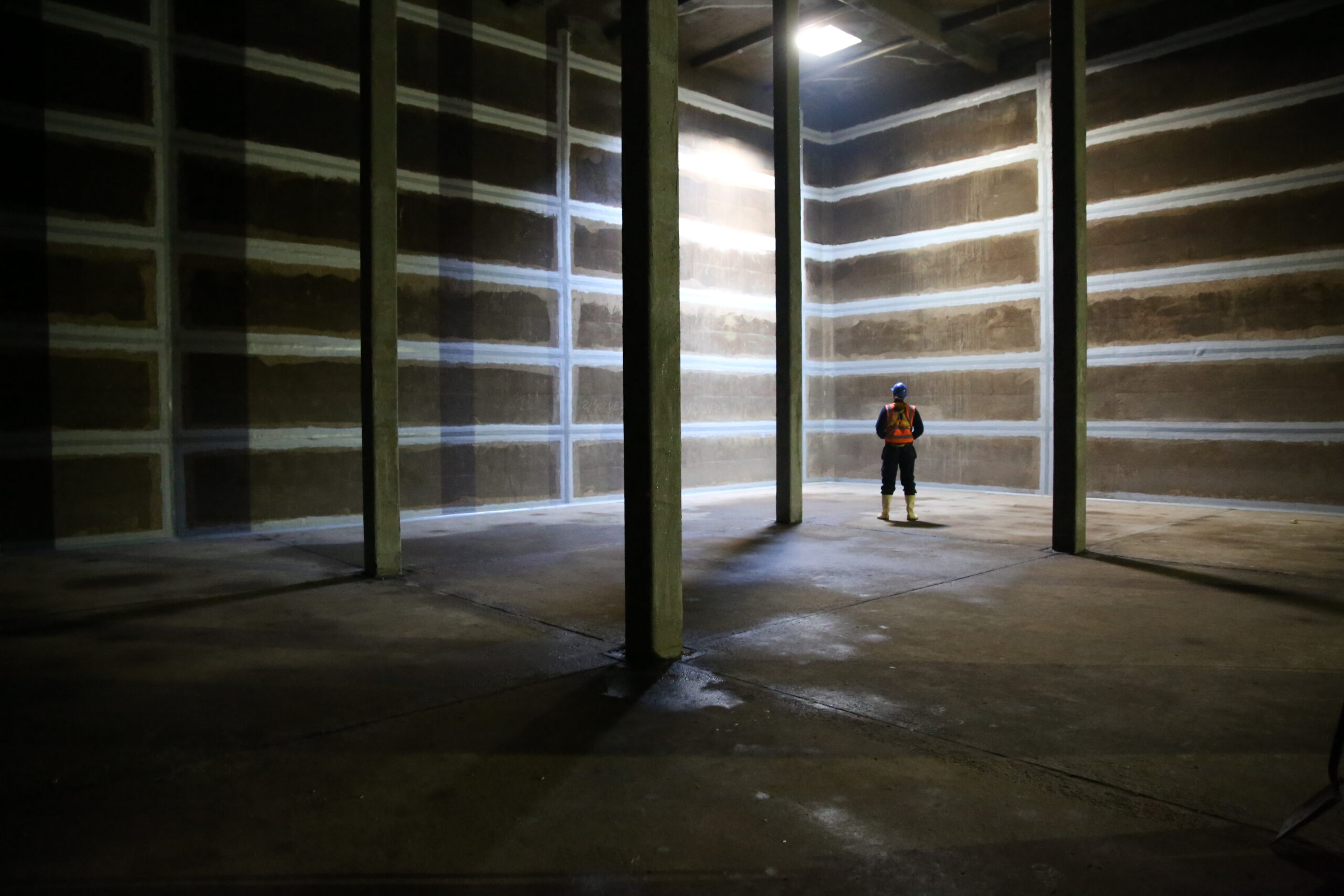
Across infrastructure – including service reservoirs, contact tanks and water towers – Stonbury integrates compliance into refurbishment and new-build programmes through a ‘one-stop-shop’ delivery model incorporating fabrication, civils and MEICA elements. This ensures every component that comes into contact with potable water is assessed for compliance throughout design and delivery, preventing materials that could degrade or leach into the supply from entering the network.
By reducing contamination risk at source, we can protect public health and limit the need for disruptive remedial work.
Sustainable solutions for compliance
At Stonbury, sustainable Regulation 31 compliance is supported by robust quality systems that govern how materials are applied on site. Stringent, accredited quality-control standards are underpinned by a Quality Inspection & Testing Plan system, which verifies adherence to manufacturers’ instructions for use for all materials in contact with potable water. Rigorous on-site monitoring, data logging and full material traceability provide verifiable assurance during delivery, reducing the likelihood of asset failure and repeat intervention later in an asset’s life.
Placing a strong focus on refurbishment-led delivery helps to extend asset life, reduce embodied carbon and minimise disruption. In combination with the careful material selection outlined in Regulation 31 it offers a sustainable solution focused on long-term performance rather than short-term compliance.
Future outlook
Stonbury is preparing for tighter standards and emerging contaminants by strengthening the systems that support preventative compliance.
Dedicated quality, technical and training functions ensure operatives remain fully knowledgeable in Regulation 31 requirements, supported by an in-house training matrix that tracks individual progress and maintains consistent standards across programmes.
Ongoing collaboration with the Drinking Water Inspectorate and industry bodies also supports alignment with evolving best practice.
Digital monitoring, improved data capture and more structured assurance processes are also being used to support earlier identification of risk and more informed decision-making. As predictive approaches to water quality assurance develop, consistent delivery data and workforce competence will become increasingly important.
By combining disciplined compliance with robust quality systems, and collaborating to innovate across the sector, Stonbury is working to support resilient water infrastructure that serves the long-term interests of both the public and the environment.