In summary
- A brick sludge tank had become heavily degraded, with persistent leaks causing waterlogging and run-off into nearby land.
- Our team carried out structural rebuilds, full repointing, and the application of chemical-resistant linings to reseal the tank.
- The project formed part of a wider wastewater framework and received outstanding feedback from the client’s operations team.

Project in numbers

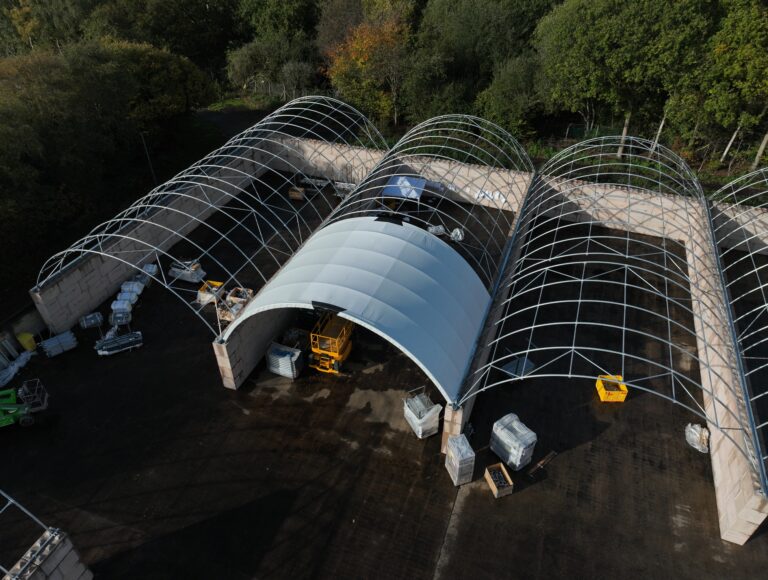
2 The number of biosolid storage bays built during the programme
24,000 The amount of biosolids, in tonnes, that the bays will hold
The need

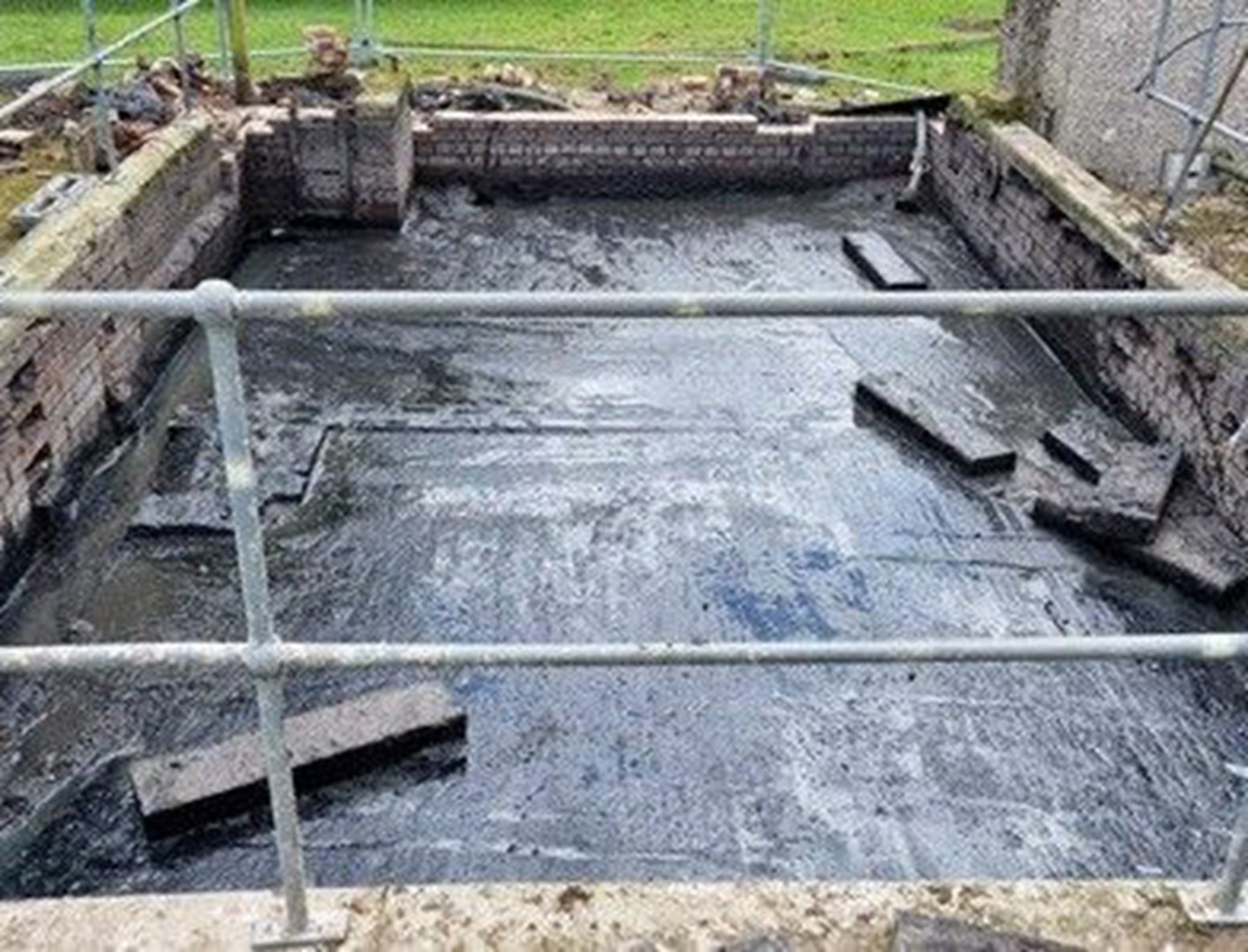
Located at a small rural wastewater treatment works, the brick sludge tank had been leaking for some time. Saturated ground and surface run-off were affecting the surrounding area, and previous repair attempts had not resolved the issue.
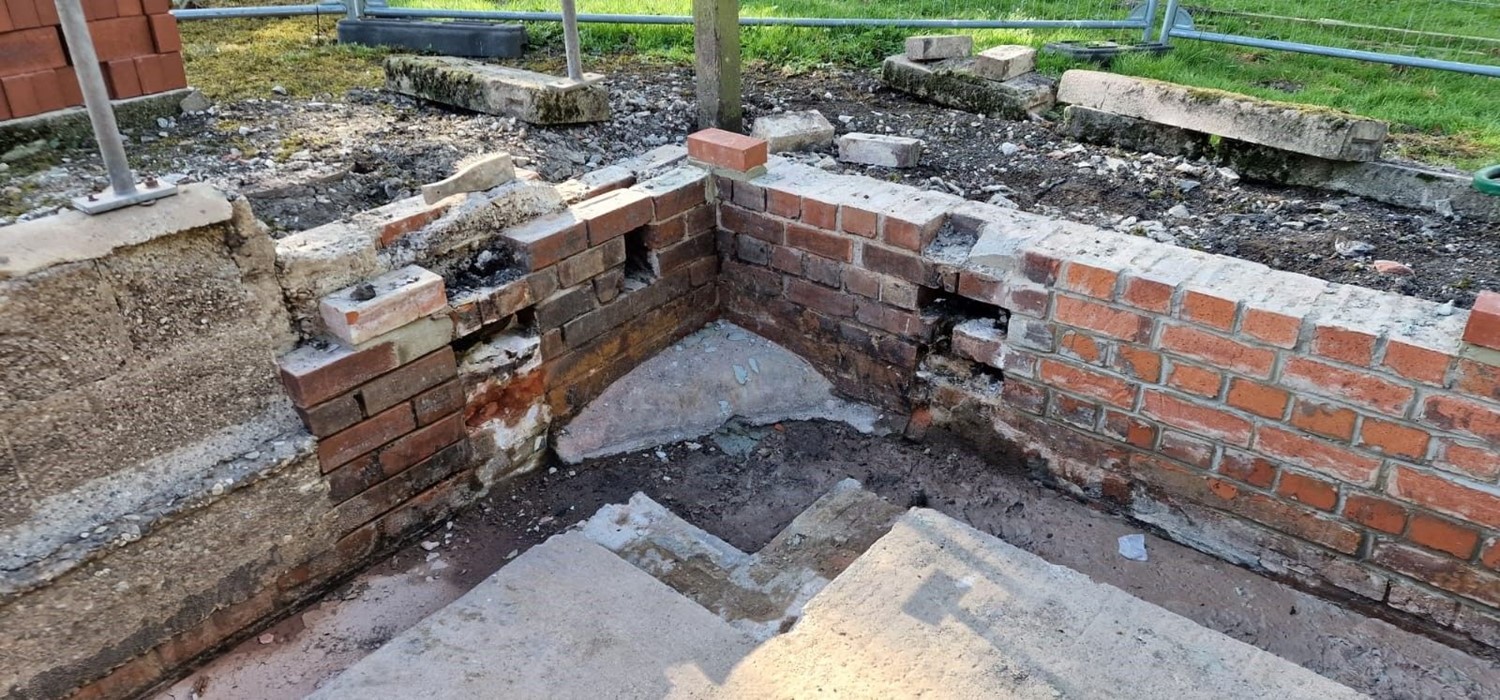
Site investigations confirmed extensive structural damage, wall settlement, and the need for a full refurbishment to get the asset back to service, despite previous attempts at repairs.
The solution

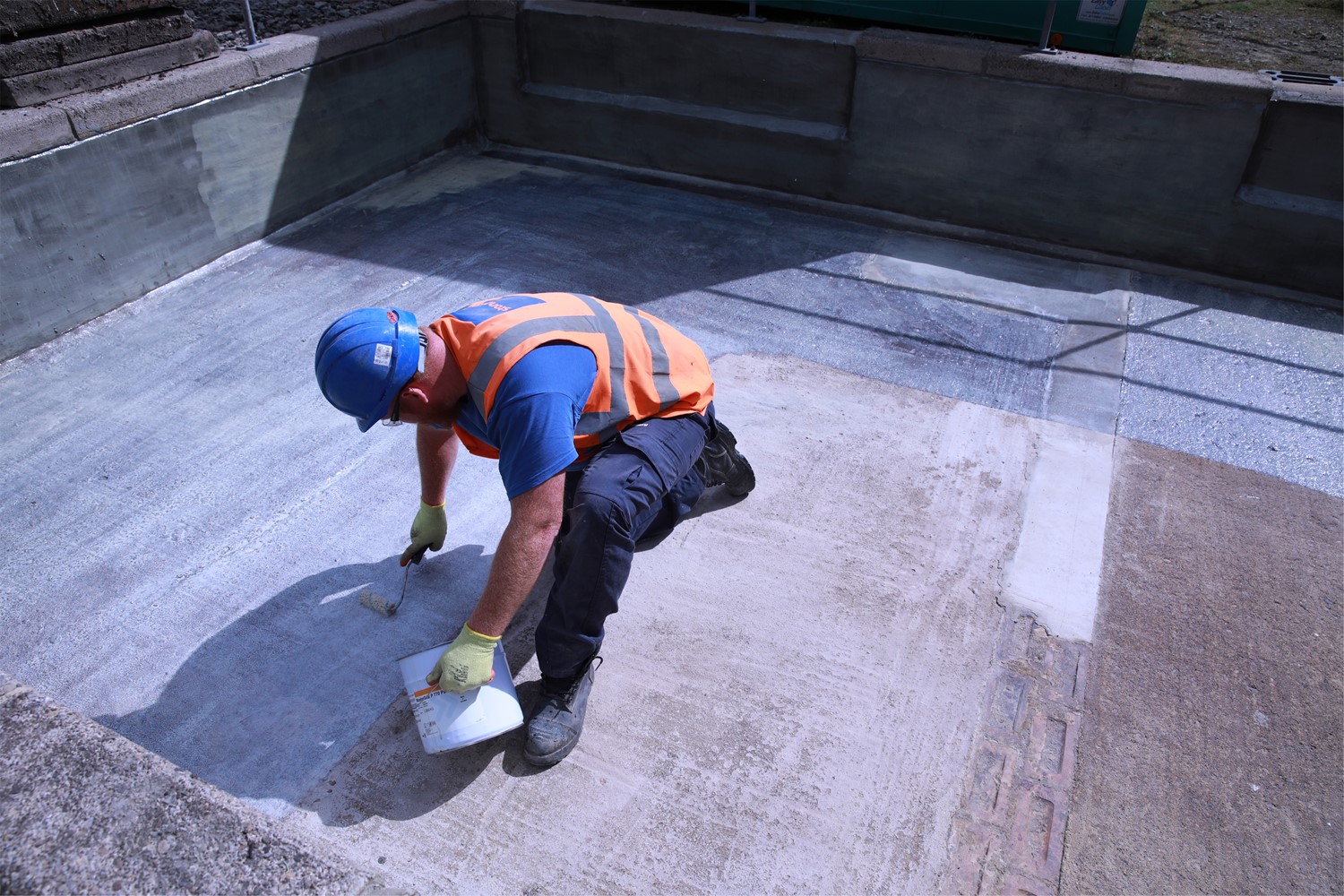
To begin, the tank was isolated, drained and jet-washed to remove debris and prepare the substrate for repair. To keep the site operational during the works, a tanker was brought in weekly to de-sludge the primary tanks.
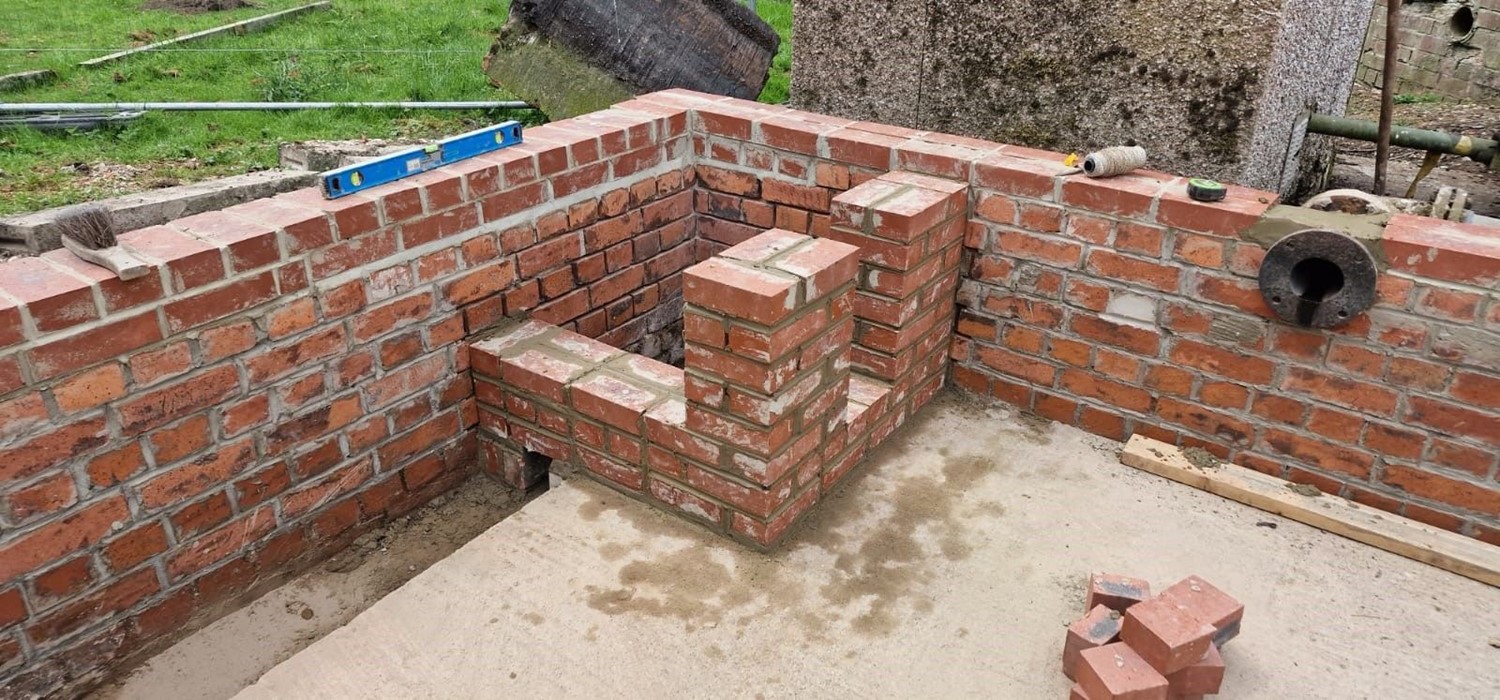
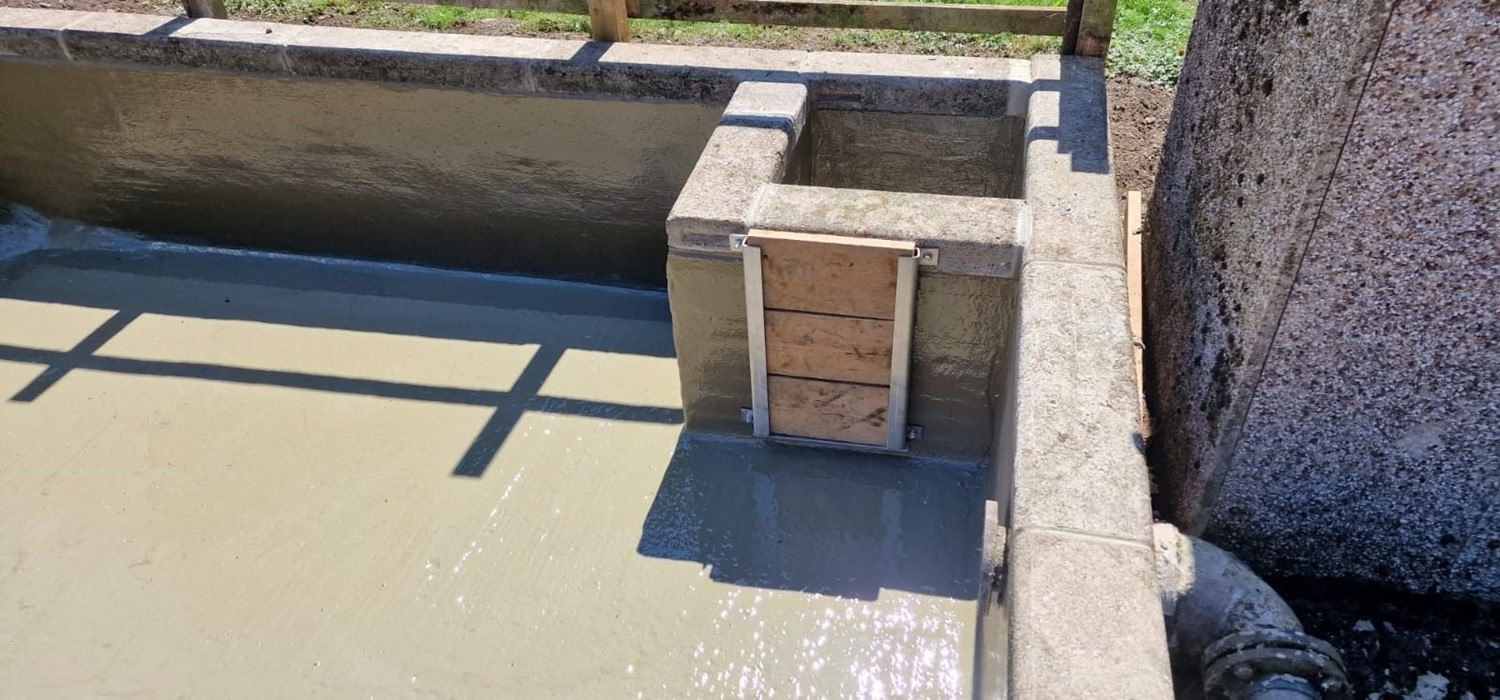
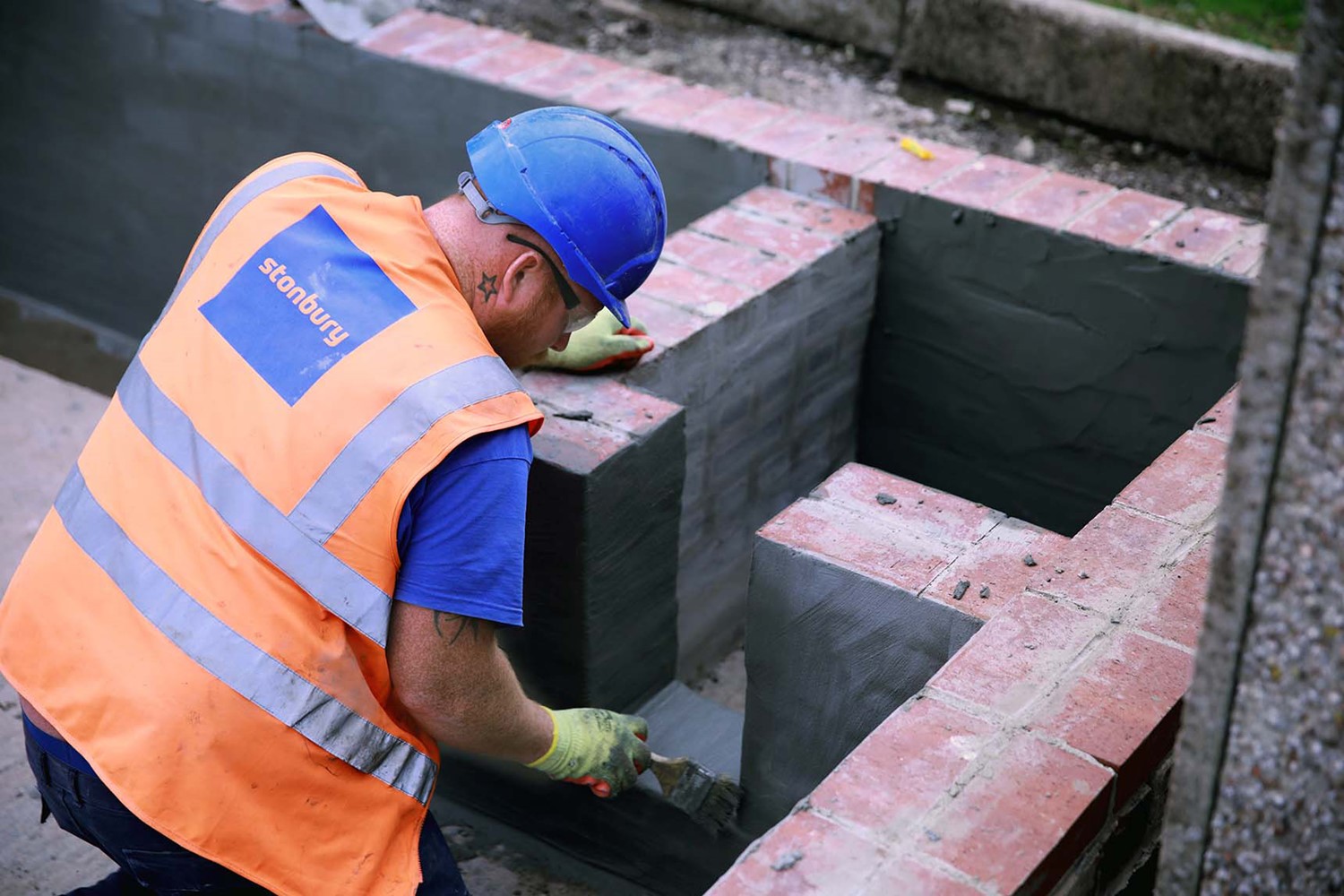
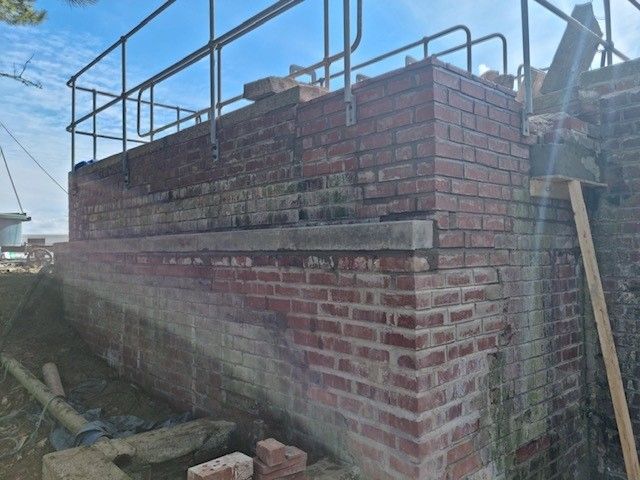
Damaged brickwork was removed to sound and then replaced. The south and west walls of the tank were substantially rebuilt. At the client’s request, the old decanting chamber in the southeast corner was removed and reconstructed in a new position.
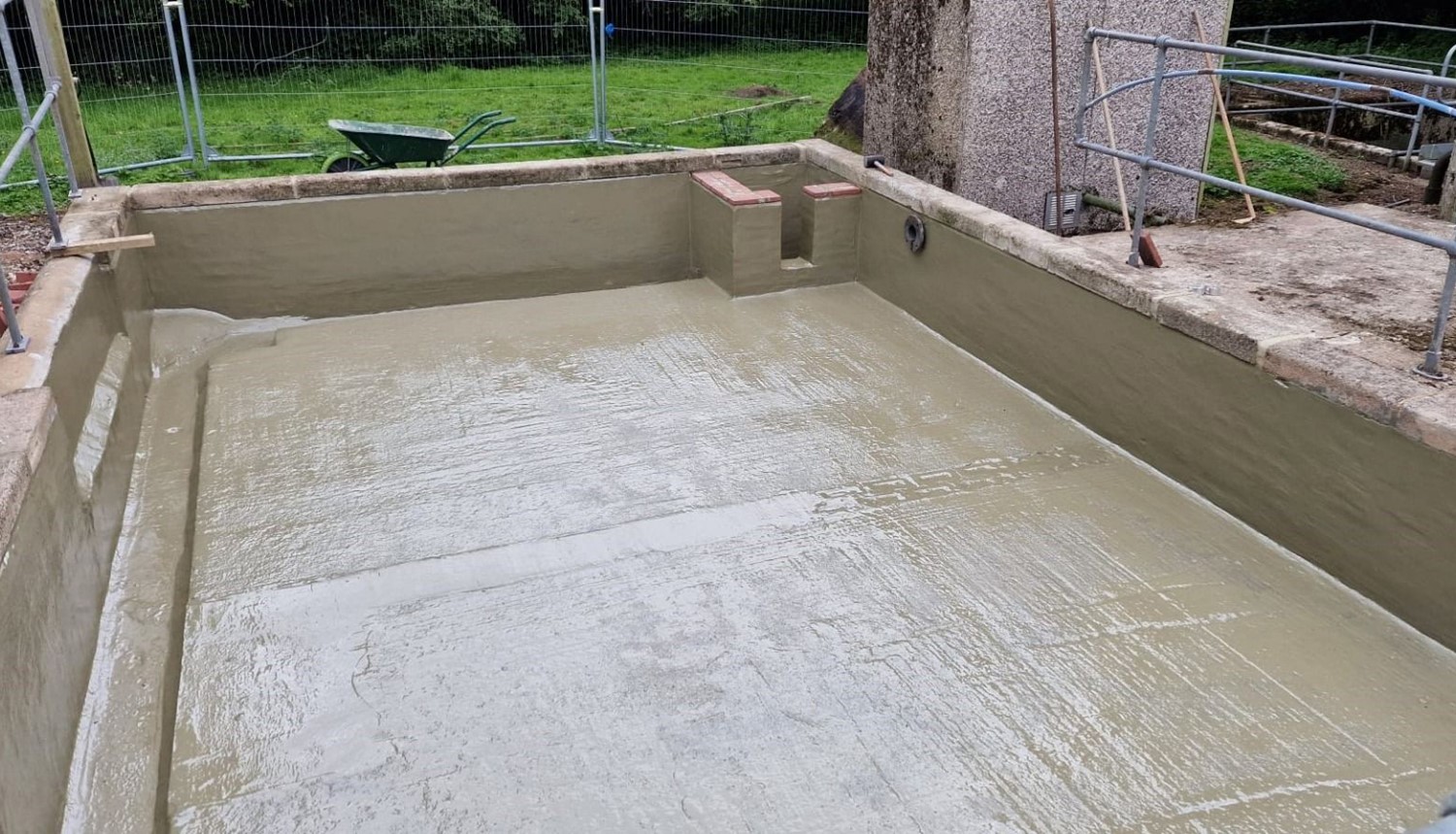
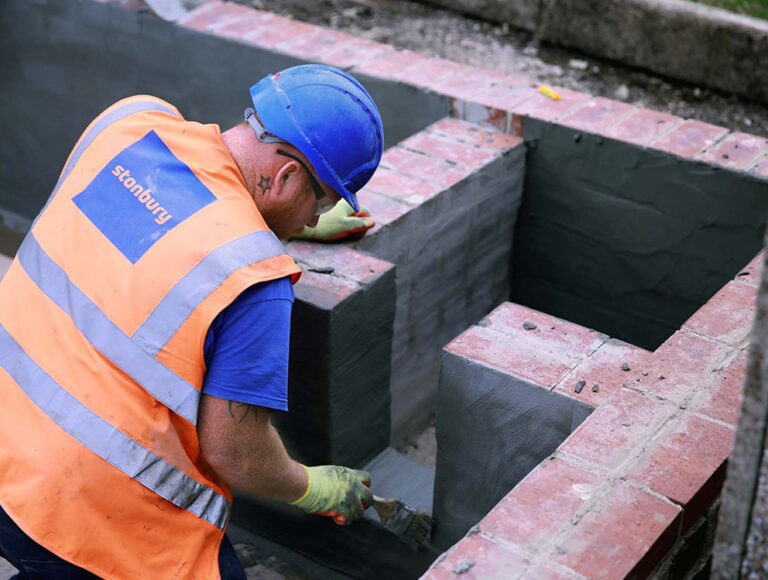
Once structural repairs were complete, all brickwork joints were ground out and repointed. A waterproof render was applied internally to reseal the tank, followed by a flexible membrane designed to resist sulphuric acid attack and enhance long-term protection.
The final phase involved replacing a deteriorated timber post and rail edge protection along the southern edge of the sludge tank. After curing and inspection, the tank was returned to service without delay.
The project received exceptional feedback from the client’s operations team.
The benefits

- Restores critical wastewater infrastructure to full operational condition
- Prevents further environmental impact from ongoing leakage
- Enhances resilience with a chemical-resistant, sealed internal lining
- Delivers improved functionality through chamber relocation and structural rebuilds