The effects of climate change are rapidly reshaping the UK’s water systems. Heavier rainfall, increased flooding and prolonged droughts continue to test the sector’s infrastructure, and the acceleration of these changes demands a proactive approach to resilience and sustainability.
Stonbury is working collaboratively within the industry to strengthen infrastructure, restore natural systems and deliver sustainable outcomes that protect communities, assets and ecosystems for the long term.
Preparing for a climate-resilient future
Across the UK, the effects of climate change are no longer distant threats – they’re visible realities. Heavier rainfall, flooding, drought and coastal erosion are damaging homes, businesses and habitats, while testing the capacity of ageing infrastructure.
According to the UK Committee on Climate Change, around 6.3 million properties in England are already at risk of flooding from rivers, the sea or surface water – a figure projected to rise to around 8 million by 2050.
This escalating risk underlines the urgency for the water sector to anticipate and adapt to protect communities, ecosystems and critical infrastructure. Investing in resilience is not only environmentally responsible; it’s a smart economic decision that safeguards long-term operations and builds public trust.
Stonbury is at the forefront in supporting this transition by helping its clients strengthen existing assets, anticipate future climate impacts and embed sustainable thinking into every stage of delivery.
Flood risk management and asset resilience
Stonbury delivers on its commitment to resilience through the maintenance, refurbishment and enhancement of flood and water management assets.
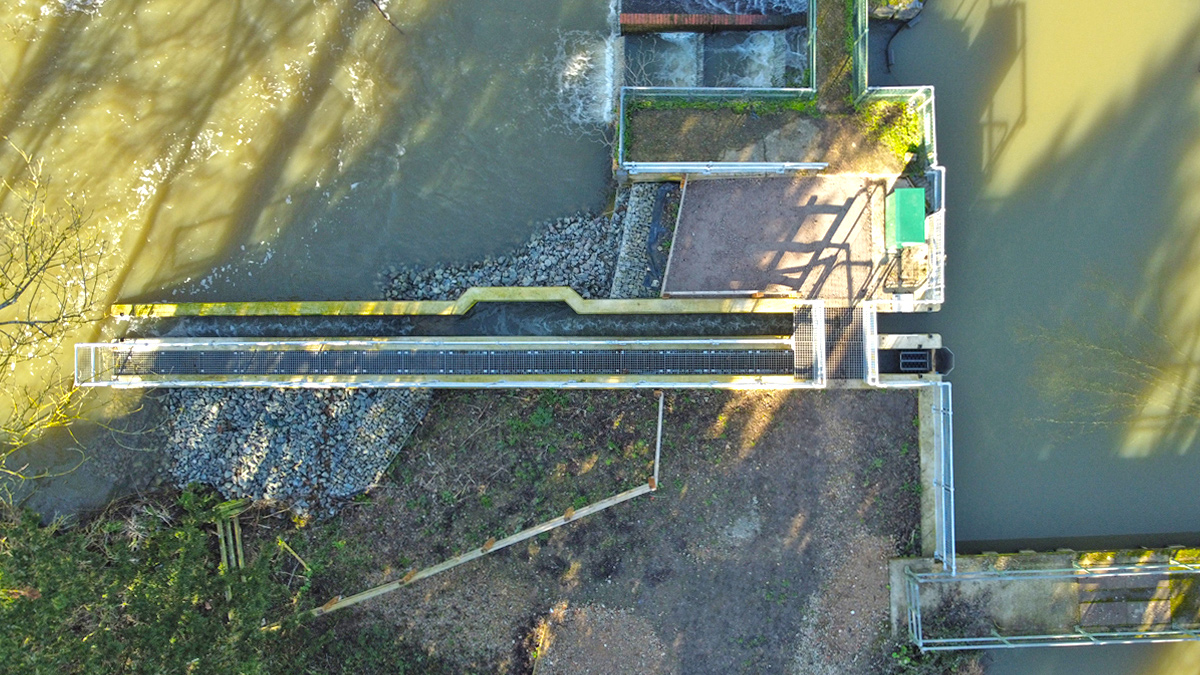
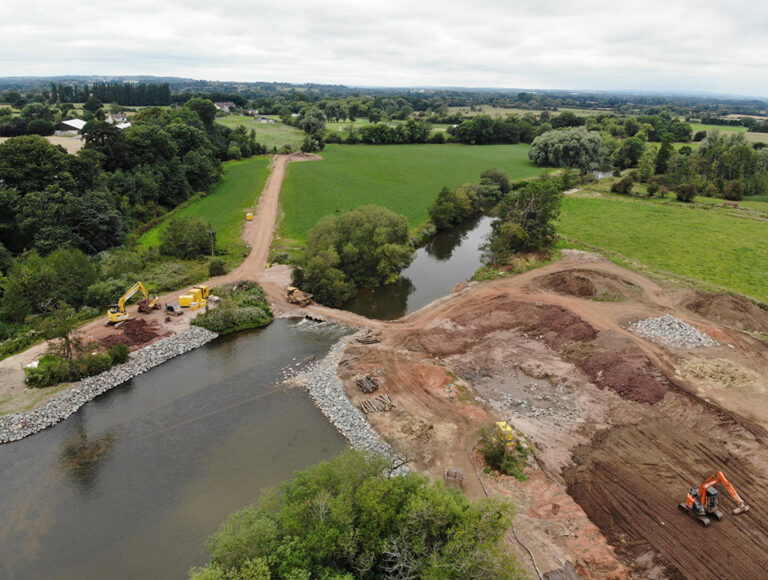
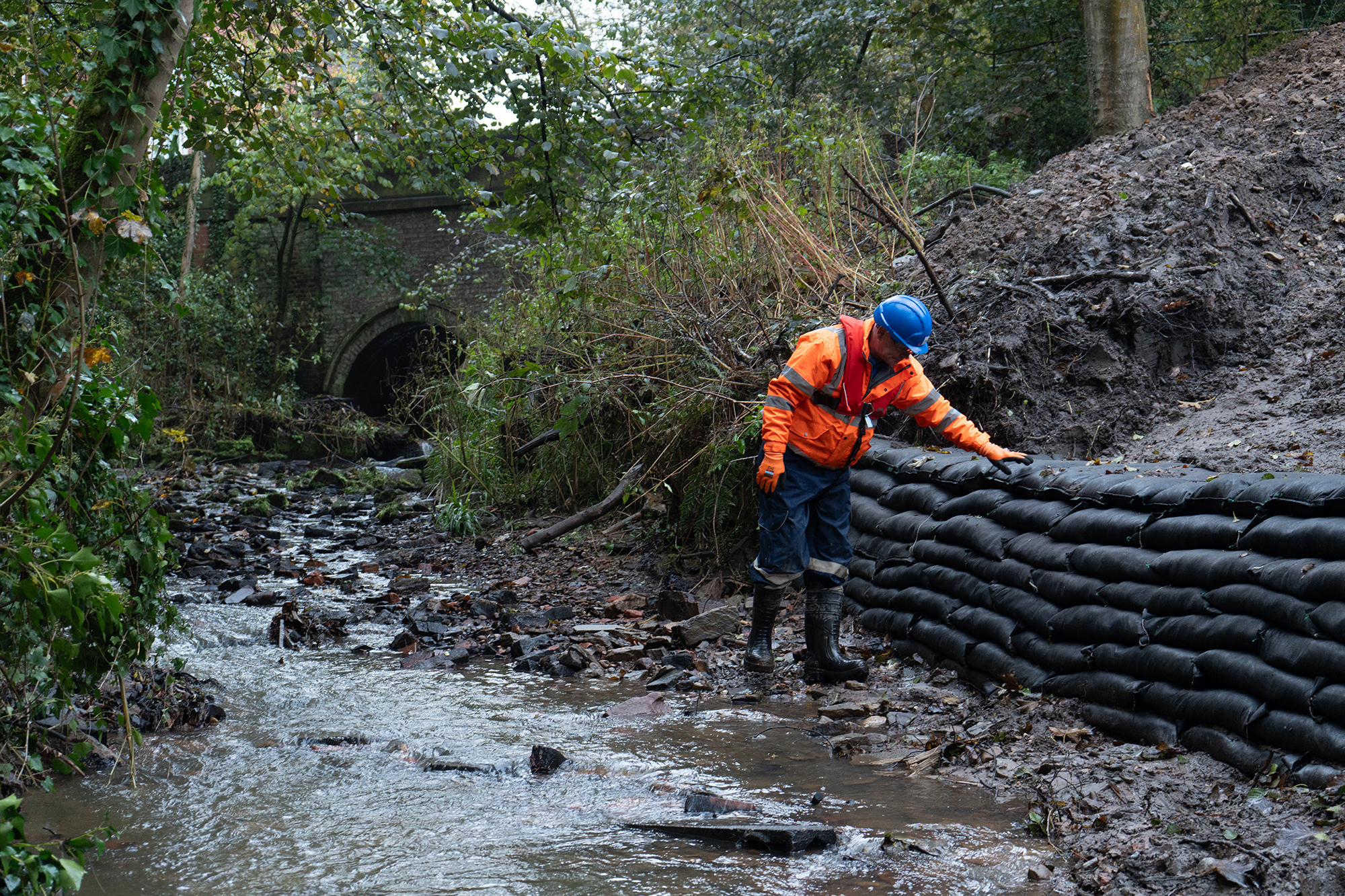
Working across England and Wales, its teams carry out strategic management activities including strengthening embankments, refurbishing floodgates and restoring critical infrastructure to ensure communities remain protected during extreme weather events.
Stonbury delivers a wide range of flood and water management projects, supporting clients to maintain service continuity and strengthen resilience across their networks.
By focusing on restoration and optimisation rather than full replacement, they deliver faster, lower-carbon outcomes and extend the life of existing assets.
This approach minimises disruption for local communities and reduces the pollution and financial costs associated with new construction, while ensuring that flood defences remain robust, reliable and ready for future climate challenges.
Nature-based solutions and sustainable practices
Nature-based solutions are now central to how the water industry manages flood risk, water quality and biodiversity. Stonbury places these methods at the heart of its frameworks, combining practical engineering with natural processes to deliver measurable environmental gains.
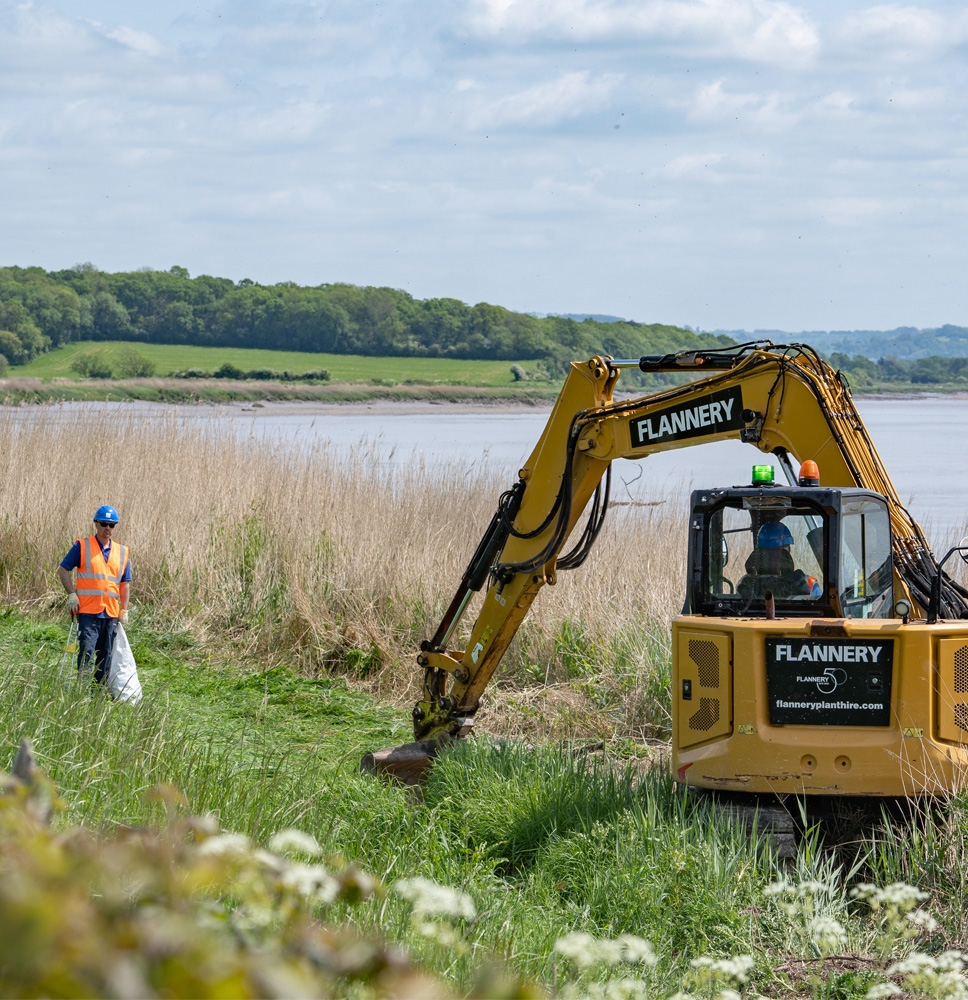
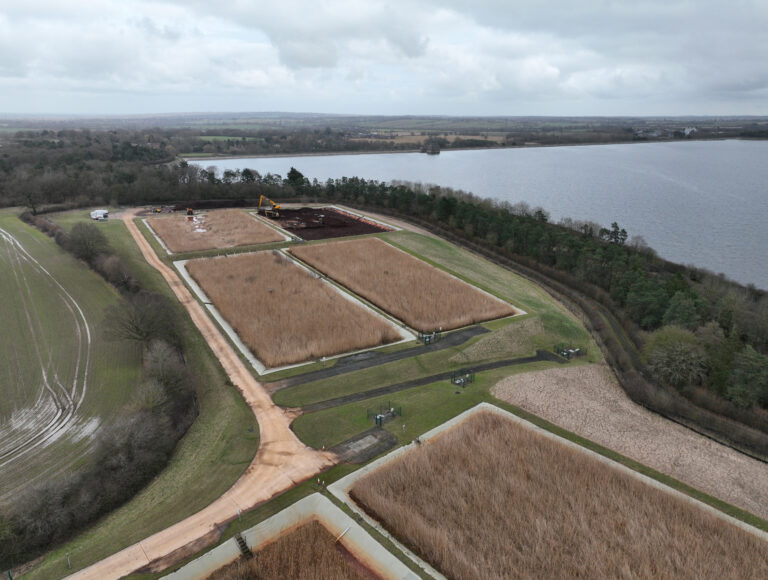
In the South East, a reedbed refurbishment programme restored natural filtration systems that purify raw water. A low-disruption method protected existing roots and growing media, halved programme duration from eight to four years, and enabled 4,700 tonnes of material to be sustainably repurposed. The result was faster reinstatement, lower carbon emissions and improved long-term filtration capacity.
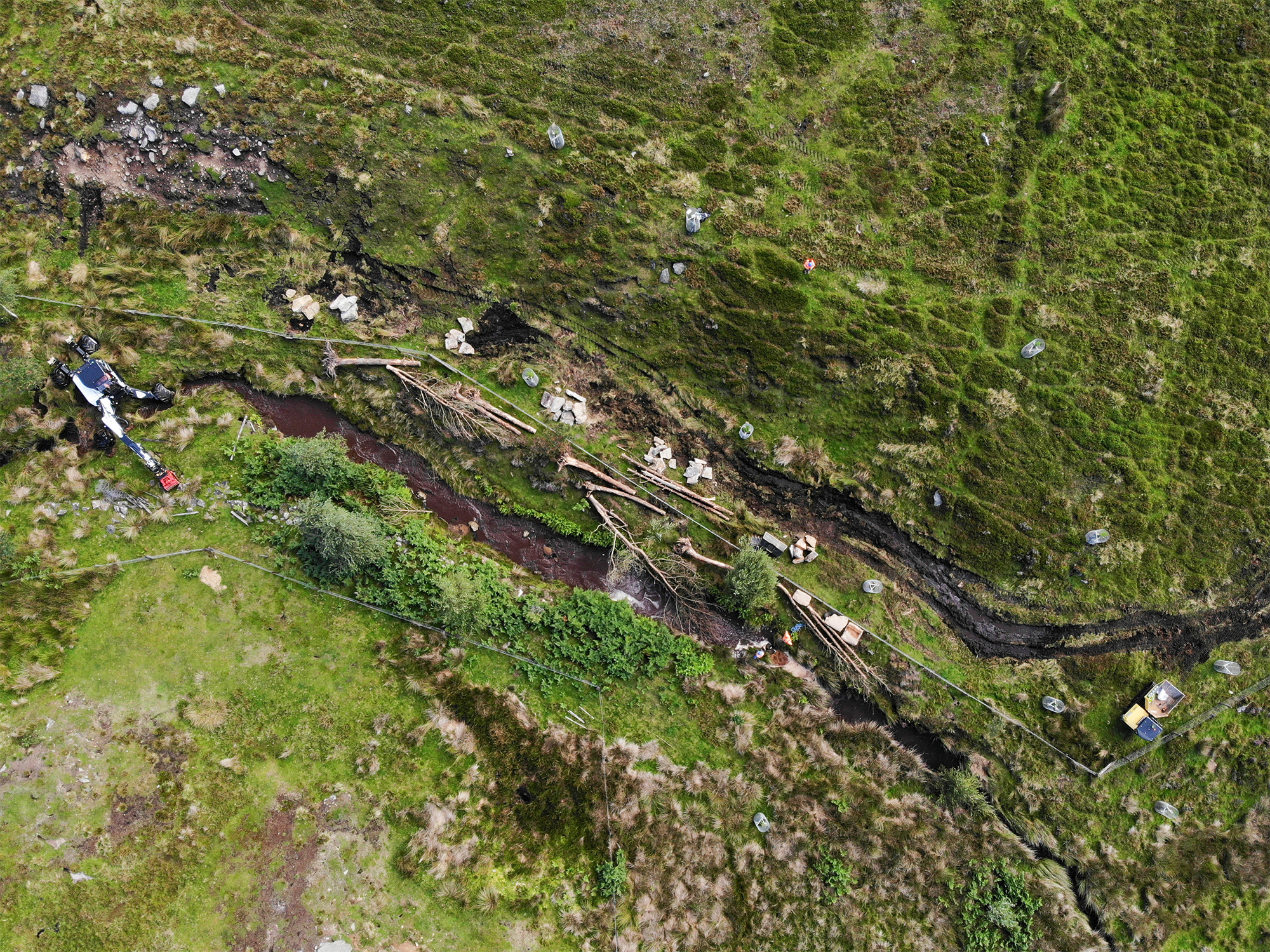
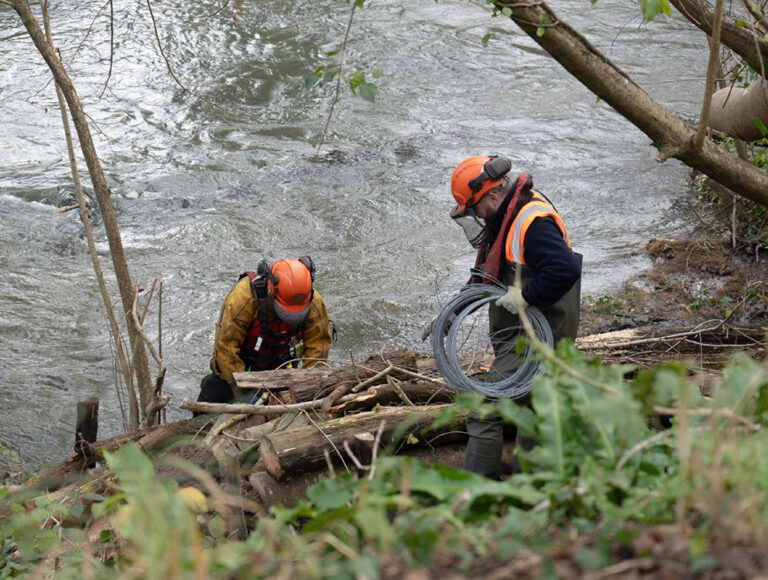
Elsewhere, the installation of leaky dams in upland catchments has slowed peak flows and improved water quality while also creating new habitats.
Together, these projects show how working with natural processes delivers practical outcomes – reducing risk, improving ecosystem health and creating more naturally functioning catchments that continue to adapt over time.

Supporting sustainable growth within environmental limits
The industry’s progress depends on its ability to expand responsibly – meeting future demand while respecting environmental boundaries. Every improvement, from engineered refurbishment to nature-based design, contributes to a sector that grows without depleting the ecosystems it depends on.
For Stonbury, sustainability isn’t a single initiative but a way of working.
Low-carbon construction, circular resource use and the refurbishment of existing assets are delivered collaboratively across all programmes. These principles reduce waste, limit emissions and extend asset life to ensure infrastructure remains robust, adaptable and ready for the future.
As the sector grows, this approach offers a model for sustainable development within environmental limits through building capacity while protecting the resources that make it possible.
Building a resilient, sustainable future
The water sector’s ability to adapt will define its long-term success. Every project that restores a river, reinforces a flood defence or reuses existing infrastructure contributes to a more resilient, sustainable future for our communities and the environment.
Through its continued focus on innovation, collaboration, circular engineering principles and responsible delivery, Stonbury is helping to shape that future.